
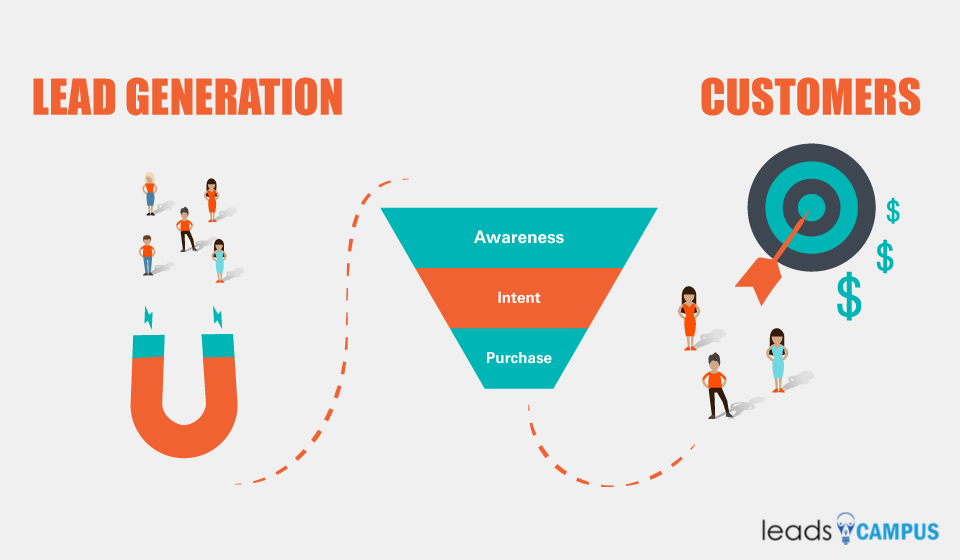
Understand how lead generation works, why lead quality matters, and how businesses can attract, qualify, score, and convert better prospects.
One of the most important goals of any growing business is building a reliable pipeline of potential customers. Lead generation is the process of attracting people or businesses that may be interested in your products or services and turning that interest into an opportunity for your sales team.
But generating a large number of contacts is not the same as generating valuable leads. A smaller group of prospects that actually fit your target market can be more useful than thousands of generic contacts.
What Is Lead Generation?
A lead is a person or business that has shown some level of interest in a product or service, or that matches the characteristics of a potential customer. Lead generation is the process of attracting those prospects and moving them toward a sales conversation.
Businesses use many channels to generate leads, including:
- Blogging and search engine optimization
- Email marketing and outbound prospecting
- Social media
- Referrals and networking
- Webinars, events, and seminars
- Landing pages and online forms
- Paid advertising
- Targeted business and consumer data
The right combination depends on the industry, customer profile, sales cycle, and budget. A channel that works extremely well for one business may perform poorly for another.
Why Does Lead Generation Matter?
When someone has a genuine need for what your company offers, the sales process can feel much more natural. Instead of trying to sell to everyone, your marketing and sales teams can concentrate on prospects who are more likely to benefit from the product.
Better targeting
Focus marketing resources on industries, locations, company types, and buyers that fit your ideal customer profile.
Higher efficiency
Sales representatives spend less time working through completely irrelevant contacts.
More useful data
Lead-generation campaigns can reveal what prospects need, what they respond to, and where demand is coming from.
Stronger pipeline
A repeatable acquisition process gives sales teams a more consistent flow of opportunities.
Lead Quantity vs. Lead Quality
Marketing teams often focus on the number of leads generated, while sales teams usually care more about whether those leads can become customers. Both measurements matter, but volume by itself can be misleading.
A quality lead generally fits your target market, has a relevant need, has usable contact information, and has enough potential interest or buying authority to justify follow-up.
How Can You Attract Quality Leads?
1. Create useful content
Blogging can attract prospects who are actively researching problems related to your products or services. Helpful articles can also introduce your company before a prospect is ready to speak with sales.
For example, businesses selling payment solutions can publish educational content about merchant services, payment processing, POS systems, or choosing a payment provider. You can then guide relevant readers toward deeper resources and commercial pages.
2. Use social media strategically
Social platforms can be effective for both awareness and direct prospecting. The best platform depends on your audience. For B2B businesses, LinkedIn can be particularly useful because it is built around professional relationships and business information.
3. Build targeted prospect lists
Outbound campaigns work better when the prospect list is built around a defined customer profile. Instead of contacting every business you can find, identify the industries, locations, company characteristics, and decision-makers that best fit your offer.
4. Use referrals
Existing customers can become a valuable source of new opportunities. A satisfied customer may know another business owner or colleague facing the same problem your product solves.
5. Use quizzes, forms, and qualification questions
Website forms can collect information that helps determine whether a visitor is a strong prospect. Depending on your business, useful fields might include company size, industry, location, service required, budget, or purchase timeframe.
How to Find Qualified Leads for a Specific Industry
Industry-specific lead generation becomes more effective when the qualification criteria are clear.
For example, payment-processing businesses may want prospects that are established businesses, accept card payments, fit a particular industry or geography, and have a reason to evaluate their current processing solution.
If you’re specifically targeting businesses interested in card-payment solutions, see our detailed guide on credit card processing leads and qualified prospects. It explains what makes these prospects valuable and how sales teams can evaluate them.
How to Recognize a Good Lead
The definition of a good lead changes from business to business, but a practical qualification framework can include the following:
Lead Scoring: A Simple Way to Prioritize Prospects
Lead scoring allows a business to rank prospects according to their level of interest and fit. There is no universal scoring formula, so each company should create a system based on its own sales process.
Possible scoring signals include:
- Visiting important pages on your website
- Opening or responding to relevant emails
- Clicking a product or offer
- Downloading a resource
- Registering for a webinar
- Starting a free trial
- Matching important firmographic or demographic criteria
- Requesting information or a sales conversation
Once scores are calculated, sales teams can prioritize high-value prospects while continuing to nurture leads that are interested but not yet ready to buy.
Create a Sales-Marketing Feedback Loop
Lead generation should not end when marketing sends a prospect to sales. Sales feedback is essential for improving future campaigns.
Track what happens after the handoff:
- Was the lead reachable?
- Did the prospect match the target profile?
- Was there a real need?
- Did a conversation happen?
- Was an appointment or proposal created?
- Did the prospect become a customer?
Over time, this information can show which industries, channels, locations, and lead sources are actually producing revenue.
More Lead Generation Techniques
Blogging
Useful, search-focused content can attract people who are already researching a problem. Connect relevant articles to your commercial pages so interested readers have a clear next step.
Cold Outreach
Cold email and calling can work when targeting is thoughtful and outreach is relevant. Research the prospect first and personalize the message instead of sending identical pitches to everyone.
Giveaways and Contests
Contests can generate a high volume of contacts, but volume should be followed by qualification. A large number of entries is only useful when some of those participants fit your target market.
Referrals and Partnerships
Strategic relationships with complementary businesses can create introductions to prospects who already have some context about the problem you solve.
How to Improve Lead Quality Over Time
The strongest lead-generation programs are not static. They improve as your business collects more sales data.
- Define your ideal customer profile. Know exactly who you want to attract.
- Measure every source. Track leads, conversations, appointments, and customers.
- Identify weak sources. Reduce spending on channels that create volume without quality.
- Double down on strong segments. Invest more in industries, locations, and audiences that convert.
- Improve qualification. Update your criteria as you learn which prospects become customers.
- Shorten response time. Follow up quickly when a prospect has recently expressed interest.
Final Takeaway
Getting more leads is only part of the equation. A successful lead-generation strategy attracts prospects that fit your market, identifies genuine opportunities, gives sales usable information, and continuously improves based on actual conversion data.
Whether you generate leads through content, social media, referrals, outbound prospecting, paid campaigns, or targeted lead sources, the objective should be the same: build a pipeline of prospects that your sales team can realistically convert.
Looking for Targeted Business Leads?
Leadscampus helps businesses find targeted prospects across multiple industries and lead categories. Explore the available lead programs and see which audience fits your sales strategy.
Explore LeadsCampusFrequently Asked Questions
What is lead generation?
Lead generation is the process of attracting potential customers and turning their interest or market fit into identifiable sales opportunities.
Why is lead quality important?
High-quality leads are more closely aligned with your target market and are more likely to produce useful sales conversations and conversions.
What are the best lead-generation methods?
Common methods include SEO and content marketing, social media, referrals, outbound prospecting, paid advertising, landing pages, and targeted lead data. The best mix depends on the business and audience.
How do you qualify a lead?
Evaluate market fit, relevant need, contactability, decision-making authority, timing, and commercial fit. The exact criteria should match your sales process.
Can purchased leads be part of a lead-generation strategy?
Yes. Purchased or externally generated leads can supplement inbound and outbound efforts when the source, targeting, freshness, verification, and qualification criteria are appropriate for the business.
Leadscampus • Lead Generation Insights & Strategies
